YouTube localization, explained

Practical guides on translating subtitles, localizing titles and descriptions, multilingual SEO and growing your channel worldwide

The Psychology of Global Viewers: Why Translated Content Builds Stronger Audience Loyalty
Strategy

The Psychology of Global Viewers: Why Translated Content Builds Stronger Audience Loyalty

You'd expect translated content to perform worse than native content. The audio is still in Russian. The subtitles are translated. Surely viewers prefer content made in their own language by creators who look like them and share their culture. But data from hundreds of translated channels shows the opposite. International viewers who watch translated content often become more loyal, more engaged, and more vocal than domestic audiences. They comment more. They share more. They defend the creator in comment sections. Why? The answer lies in psychology — specifically in what researchers call "effort justification," "perceived authenticity," and "the underdog effect." Understanding these psychological drivers will change how you think about your global audience and how you build relationships with viewers across language barriers.

📅 May 11, 2026
How to Translate YouTube Community Posts and Polls for Global Engagement
Tutorial

How to Translate YouTube Community Posts and Polls for Global Engagement

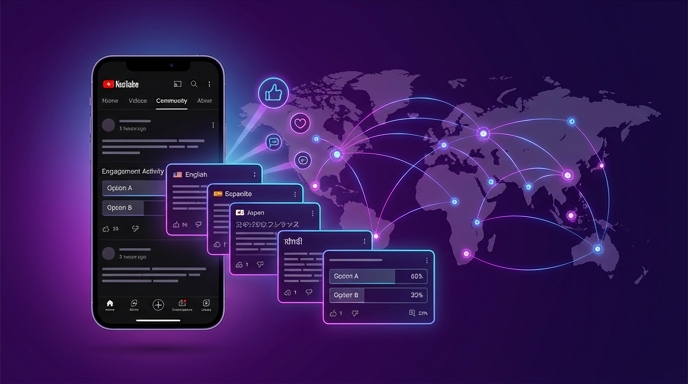
You're translating your videos. Your titles, descriptions, and subtitles are live in 100+ languages. Global views are climbing. But there's a gap in your strategy: Community posts. Those polls, updates, and behind-the-scenes posts only reach subscribers who speak Russian. Your Brazilian subscribers? They scroll past a wall of Cyrillic text and feel like second-class fans. Your Indonesian viewers? They don't vote in polls they can't read. Community posts are YouTube's most underutilised engagement tool, and translating them multiplies their impact across your entire global audience. Here's how to translate Community posts and polls so every subscriber feels included — no matter what language they speak.

📅 Jun 01, 2026
The 2026 YouTube Global Growth Playbook: Everything We Know About Multilingual Expansion
Growth

The 2026 YouTube Global Growth Playbook: Everything We Know About Multilingual Expansion

Over the last twelve months, we've published case studies, tutorials, strategy breakdowns, and SEO guides about multilingual YouTube growth. We've tracked creators who translated their channels and watched their views multiply. We've analysed the data, documented the mistakes, and refined the strategies. This is the playbook that brings it all together. Everything we know about taking a Russian-language YouTube channel global through translation. The why. The how. The math. The tools. The timelines. The pitfalls. Whether you're a 500-subscriber channel looking for your first international viewers or a 50,000-subscriber channel trying to break through a growth ceiling, this is the complete guide to multilingual expansion on YouTube in 2026. Bookmark this one.

📅 Jun 08, 2026
Why Your Competitors Haven't Translated Their Channels Yet (And Why You Should Before They Do)
Strategy

Why Your Competitors Haven't Translated Their Channels Yet (And Why You Should Before They Do)

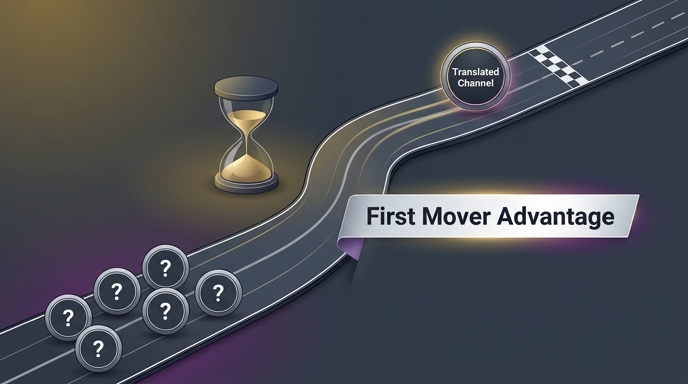
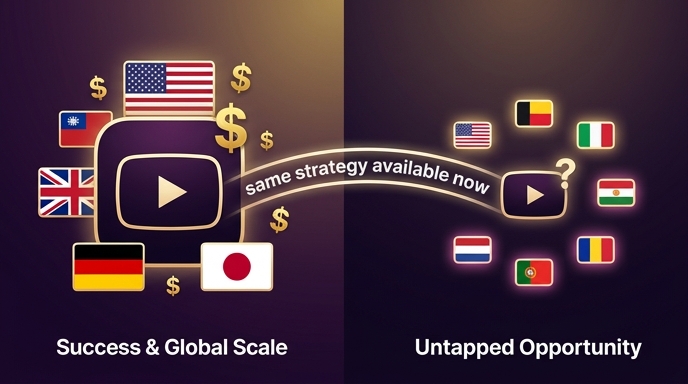
Search your niche on YouTube. Look at the top 20 channels. How many have videos translated into 100+ languages? Almost none. This isn't because translation doesn't work — it's because most creators are slow to adopt new distribution strategies. They wait for proof. They wait for case studies. They wait until someone else goes first. That waiting is your opportunity. The first-mover advantage in multilingual YouTube content is real, it's measurable, and it's temporary. As translation tools become more accessible, more creators will catch on. The markets that are underserved today will be competitive tomorrow. This is the article that explains why your competitors are still monolingual, why that won't last, and exactly what you need to do before the window closes.

📅 Jun 05, 2026
Multilingual YouTube Descriptions: The SEO Gold Mine Everyone Ignores
SEO

Multilingual YouTube Descriptions: The SEO Gold Mine Everyone Ignores

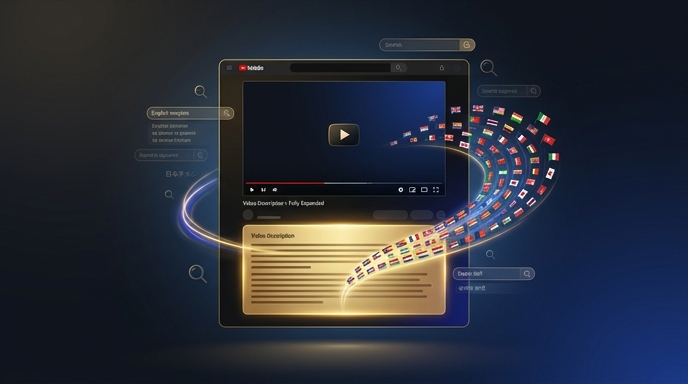
YouTube descriptions are the forgotten middle child of video SEO. Titles get all the attention. Thumbnails get all the design effort. Descriptions? Most creators write two sentences, drop a link, and move on. But here's what they're missing: descriptions are indexed for search in every language they're written in. A Portuguese description means your video can rank for Portuguese search queries. An Indonesian description opens Indonesian search traffic. Most creators leave this gold mine completely untapped — not because it's hard, but because nobody told them it matters. Translating your descriptions into 100+ languages through VidLocalizer is one of the highest-impact, lowest-effort SEO moves available. Here's why descriptions matter, how translated descriptions multiply your search footprint, and how to write descriptions that work in every language.

📅 Jun 08, 2026
The Geography Report: How to Read YouTube Analytics After Translating Your Channel
Growth

The Geography Report: How to Read YouTube Analytics After Translating Your Channel

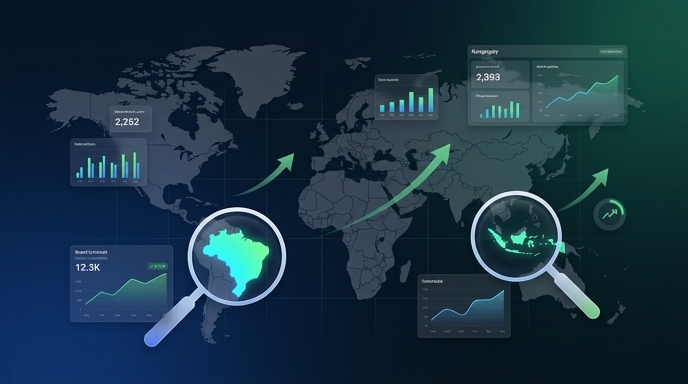
You did the work. You translated 50 videos into 100+ languages through VidLocalizer. Now you open YouTube Studio, click the Geography tab, and see something that stops you cold: views from 40 countries that weren't there before. Brazil. Indonesia. Turkey. Vietnam. India. It's exciting. It's also overwhelming. Which markets are worth your attention? Which are random noise? Should you change your content strategy based on this data? Most creators stare at the geography report, feel a rush of excitement, and then... do nothing. They don't know how to read what the data is telling them. This guide changes that. Here's exactly how to interpret your post-translation analytics and use them to build a smarter global growth strategy.

📅 Jun 07, 2026
How to Translate YouTube Shorts Into 100+ Languages for Maximum Reach
Tutorial

How to Translate YouTube Shorts Into 100+ Languages for Maximum Reach

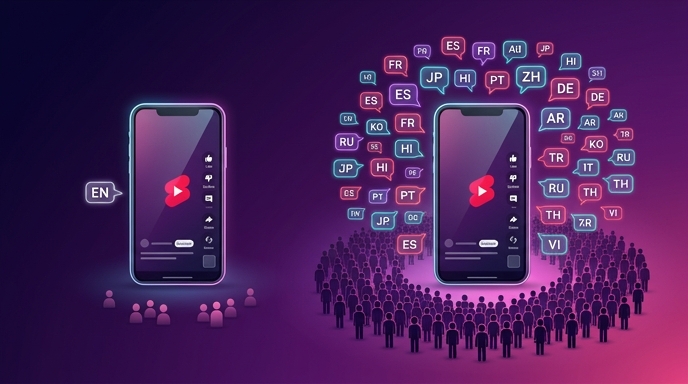
YouTube Shorts are a discovery machine. The Shorts shelf reaches viewers who've never heard of your channel. Sixty billion daily views. But here's the catch: your Shorts are only discoverable in the language you uploaded them in. A Russian-language Short about photography tips will never appear on the Shorts shelf of a Brazilian viewer. Not because the content isn't relevant. Because the metadata isn't in Portuguese. Translating Shorts is slightly different from translating long-form videos — the titles are shorter, the captions matter more, and the discovery mechanics are unique. Here's the complete tutorial for making your Shorts globally discoverable in 100+ languages using VidLocalizer.

📅 Jun 06, 2026
The Creator Who Translated 100 Videos: A 6-Month Case Study
Strategy

The Creator Who Translated 100 Videos: A 6-Month Case Study

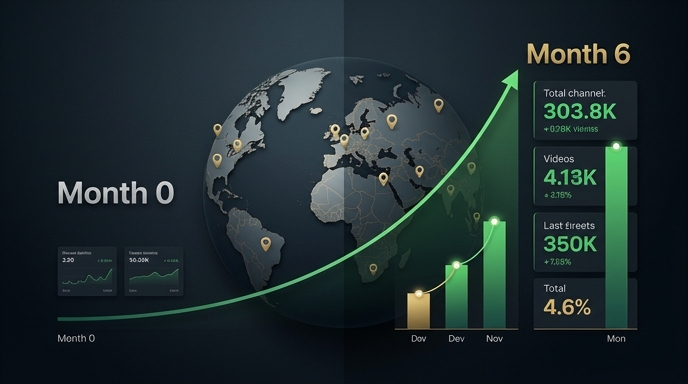
Case studies are usually fluff. "We tried this thing and it worked!" with no data, no timeline, and no honest discussion of what went wrong. This is different. This is a real Russian creator — a gaming channel with 2,400 subscribers — who committed to translating 100 videos into 100+ languages through VidLocalizer. Six months later, I interviewed them, pulled their YouTube Studio data, and reconstructed exactly what happened. The subscriber growth. The geography shift. The revenue change. The videos that exploded and the ones that didn't. The mistakes they made. The things they wish they'd done differently. If you're considering translating your channel — or you're skeptical it actually works — this is the article that will answer your questions with real numbers.

📅 Jun 04, 2026
YouTube Tags Are Dead: What Actually Ranks Videos in 2026
SEO

YouTube Tags Are Dead: What Actually Ranks Videos in 2026

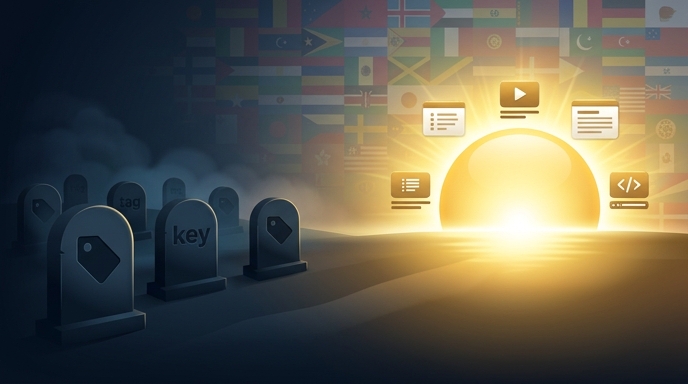
For years, YouTube creators stuffed their videos with tags like they were casting SEO spells. Rank for this keyword! Rank for that phrase! Then YouTube updated its documentation. Tags, the platform said, play a "minimal" role in search rankings. Minimal. The SEO strategy that launched a thousand "how to rank on YouTube" tutorials was effectively deprecated. So what actually ranks videos in 2026? The answer has been hiding in plain sight: titles, descriptions, subtitles — and the one ranking factor almost no one talks about. Language accessibility. If your metadata only exists in one language, you're not just losing search traffic. You're invisible to 95% of YouTube's search queries. Here's what actually drives rankings now and how to dominate search in 100+ languages simultaneously.

📅 Jun 01, 2026
How One Translated Video Can Outperform Your Entire Channel
Growth

How One Translated Video Can Outperform Your Entire Channel

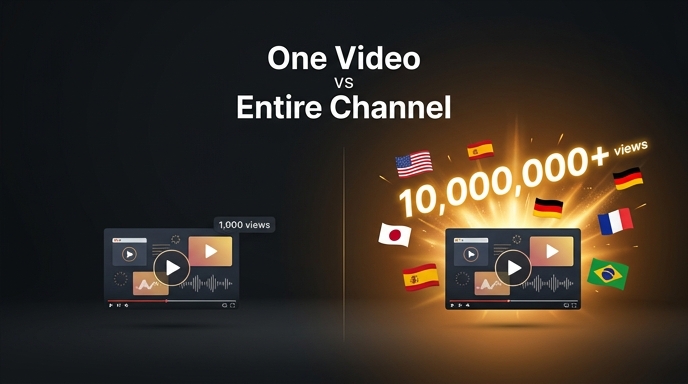
You have 50 videos on your channel. Together, they've earned 80,000 views over two years. Solid, consistent growth. Then you translate one video into 100+ languages. Three months later, that single video has 120,000 views — more than your entire channel combined. This isn't a hypothetical. It happens regularly, and there's a mathematical reason for it. A single video that finds the right audience in the right language market can generate more momentum than years of monolingual uploads. Here's why translated videos sometimes outperform entire channels, which videos are most likely to break out, and how to position your content for the single-video explosion that changes everything.

📅 Apr 05, 2026
How to Use VidLocalizer to Translate Your YouTube Channel: The Complete Walkthrough
Tutorial

How to Use VidLocalizer to Translate Your YouTube Channel: The Complete Walkthrough

You've read the articles. You understand the strategy. Now it's time to actually do it. This is the complete, no-skip walkthrough for VidLocalizer — the tool that translates your YouTube titles, descriptions, and subtitles into 100+ languages through YouTube's official API. No prior experience needed. No technical skills required. Just your YouTube channel, a browser, and about ten minutes. By the end of this guide, you'll have your first batch of videos translated and live across global markets. Let's stop talking about global growth and start doing it.

📅 Jun 08, 2026
The Real Reason Big YouTubers Translate Their Channels (And Small Creators Don't)
Strategy

The Real Reason Big YouTubers Translate Their Channels (And Small Creators Don't)

Look at any YouTube channel with over 10 million subscribers. Check their video settings. You'll find subtitles in 10, 20, sometimes 50 languages. These aren't fan contributions. These are calculated business decisions made by teams who understand the math of global distribution. Now look at channels under 10,000 subscribers. Almost none have translated metadata. Not because translation doesn't work for small channels. Because small creators assume it's only for the big ones. That assumption is the opportunity. While everyone else waits until they're "big enough" to translate, you can start now and capture markets your competitors haven't even thought about. Here's why the big channels do it and why you should start before you're big.

📅 Jun 08, 2026
From Local Russian Channel to Global YouTube Presence: The Complete Roadmap
Growth

From Local Russian Channel to Global YouTube Presence: The Complete Roadmap

You've built something real. A Russian YouTube channel with loyal subscribers, consistent uploads, and content you're proud of. But lately, growth has felt like pushing a boulder uphill. The Russian-speaking audience in your niche is finite. You've reached a good chunk of it. Now what? The answer isn't making different content. It's making your content visible to the billions of YouTube users who don't speak Russian. Going global sounds intimidating — new markets, new cultures, new languages. But the technical path is simpler than you think. This is the complete roadmap for transforming your local Russian channel into a global presence, step by step, without changing your content strategy, your upload schedule, or your creative vision.

📅 May 12, 2026
How Translated Titles Rank Your Videos in 100+ YouTube Search Engines
SEO

How Translated Titles Rank Your Videos in 100+ YouTube Search Engines

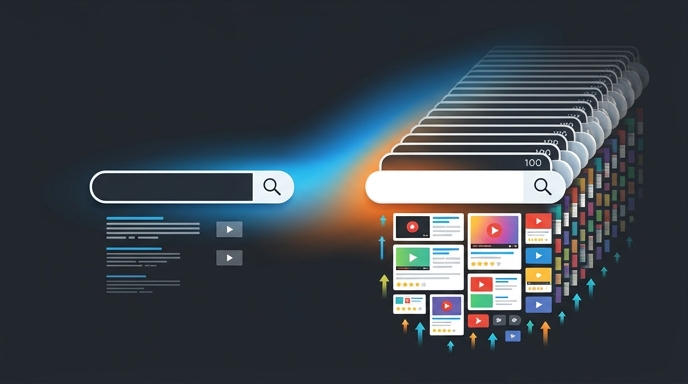
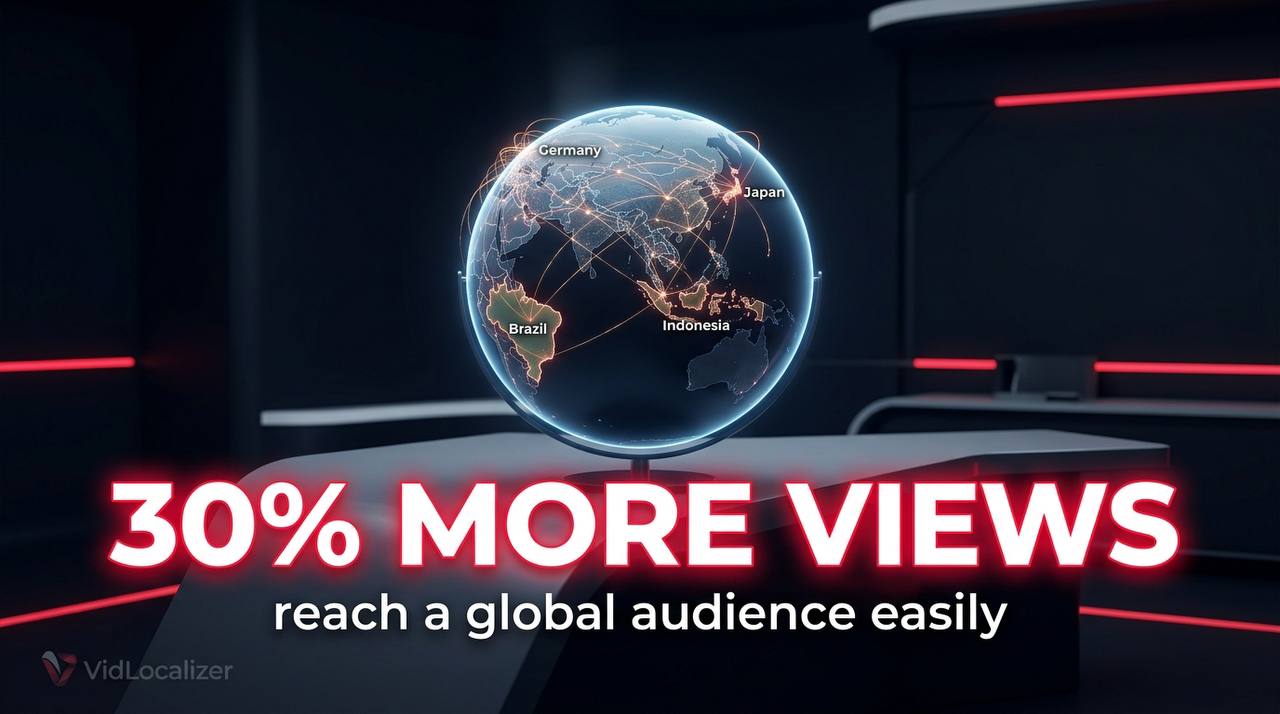
We talk about "YouTube search" like it's one thing. It's not. YouTube operates over 100 separate search engines, each serving results in a different language. When a viewer types a query in Portuguese, YouTube searches Portuguese-language titles, descriptions, and subtitles. If your video only has Russian metadata, it doesn't exist in that search. Period. Not on page ten. Not ranked low. Non-existent. Translating your titles isn't just a nice accessibility gesture — it's the difference between being discoverable in one search engine versus one hundred. Here's how translated titles work, why they rank, and how to dominate search results in languages where your competition hasn't even arrived yet.

📅 May 21, 2026
How to Add 100+ Language Subtitles to YouTube Videos Without Hiring Anyone
Tutorial

How to Add 100+ Language Subtitles to YouTube Videos Without Hiring Anyone

Subtitles are YouTube's most underrated growth tool. Accurate subtitles boost watch time for hearing-impaired viewers, non-native speakers, and mobile viewers watching without sound. But here's where it gets really interesting: YouTube indexes subtitle text for search. Every subtitle track in a new language is a new search opportunity. The problem? Hiring human translators for 100 languages costs a fortune and takes forever. VidLocalizer solves this by generating accurate subtitles in 100+ languages and pushing them directly through YouTube's API in minutes. No freelancers. No spreadsheets. No waiting. This tutorial walks you through the entire process, from connecting your channel to watching your global audience grow.

📅 Jun 08, 2026
Why Your Russian YouTube Channel Is Stuck at 1,000 Subscribers
Strategy

Why Your Russian YouTube Channel Is Stuck at 1,000 Subscribers

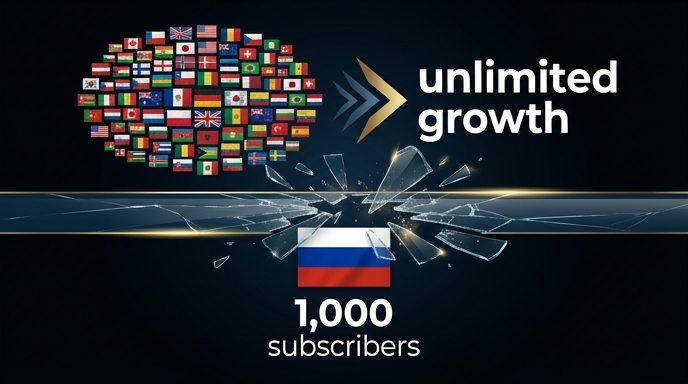
You've done everything right. Consistent uploads. Good thumbnails. Solid editing. Engaging hooks. And yet, your subscriber count hovers around 1,000 like there's a magnetic force pulling it back down every time it inches forward. You blame the algorithm. You blame luck. You blame yourself. But the real culprit is simpler and more fixable than any of those things: you're fishing in a pond of 150 million Russian speakers while 2.5 billion people on YouTube are swimming in other languages, completely unaware your channel exists. The ceiling isn't your content quality. It's your language reach. Here's how to shatter that ceiling without changing a single thing about the videos you make.

📅 Apr 02, 2026
The 5-Minute Growth Hack That Got One Channel 178,000 Views
Tutorial

The 5-Minute Growth Hack That Got One Channel 178,000 Views

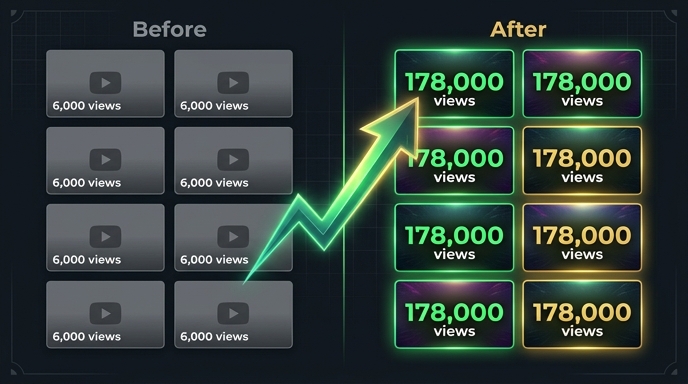
Most growth hacks require more effort. Better thumbnails. Catchier hooks. Trend-jacking. Collabs. All of those take time, skill, and sometimes money. But there's one growth lever that takes five minutes per video, requires zero creative skill, and works on content you already published months ago. Translation. I watched one creator take eight dead videos from 6,000 combined views to 178,000 views. Same videos. Same thumbnails. Same content. The only variable? They finally became visible to the 95% of YouTube users who don't speak Russian. Here's the breakdown of what happened, why it worked, and how to replicate it on your channel before the week ends.

📅 Apr 18, 2026
YouTube SEO Is Broken If You Only Speak One Language
SEO

YouTube SEO Is Broken If You Only Speak One Language

You've spent hours on keyword research. Your tags are perfect. Your thumbnail is clickable. Your retention is solid. And yet, your video sits at 300 views while worse content in other languages racks up millions. What's going on? Simple: you're competing in one of the most saturated language markets on Earth while ignoring 100+ markets where your exact topic has zero competition. Zero. YouTube SEO isn't broken. Your approach to it is. Here's why translating your metadata into 100+ languages does more for your search rankings than any keyword tool ever could.

📅 Feb 19, 2026
How to Translate Your YouTube Channel Into 100+ Languages in 10 Minutes
Tutorial

How to Translate Your YouTube Channel Into 100+ Languages in 10 Minutes

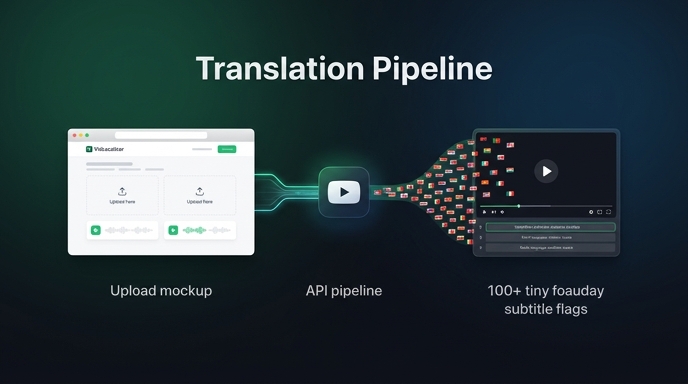
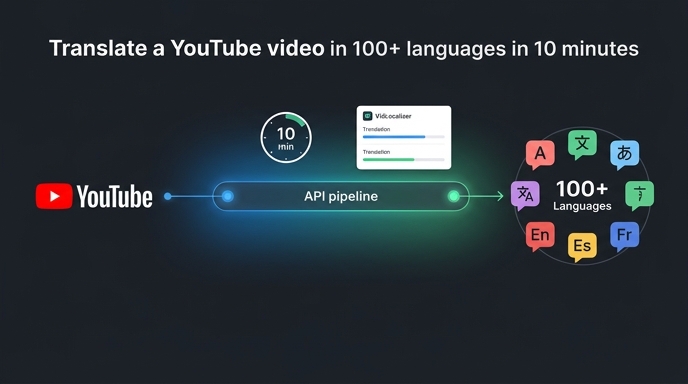
You've heard the advice: "Translate your content to grow globally." Sounds great. But who has time to hire translators for 100 languages? Who has the budget? Most creators stop right there. They assume global reach is for big channels with production teams. It's not. VidLocalizer connects directly to YouTube's API and translates your titles, descriptions, and subtitles into 100+ languages in minutes. Not weeks. Not thousands of dollars. Minutes. Here's the exact workflow, click by click, so you can finish this tutorial and immediately go global before your next coffee break.

📅 Jun 08, 2026
How to Revive Dead YouTube Videos With Translation
Tutorial

How to Revive Dead YouTube Videos With Translation

You have videos sitting in your archive with 200 views. The algorithm forgot about them. Translating those videos into 100+ languages gives YouTube a reason to recommend them again. Here's the step-by-step.

📅 Jun 08, 2026
YouTube A/B Testing vs 100+ Language A/Z Testing
Strategy

YouTube A/B Testing vs 100+ Language A/Z Testing

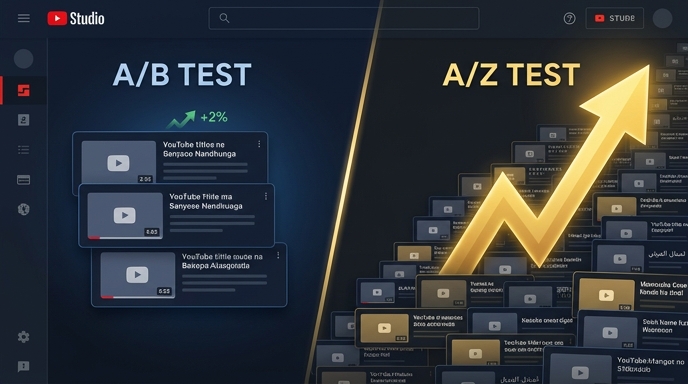
YouTube finally gave everyone A/B thumbnail testing. Three variants. One language. Creators everywhere are furiously switching "Best" to "Top" and waiting for the algorithm to notice. Meanwhile, a quiet group of channels is running what I call A/Z testing — translating titles into 100+ languages and letting YouTube's algorithm find the winners. The gap in results is almost embarrassing. Let me show you the difference.

📅 Jun 08, 2026

Get new guides in your inbox

Localization tips, growth case studies and product updates — about once a month, no spam.