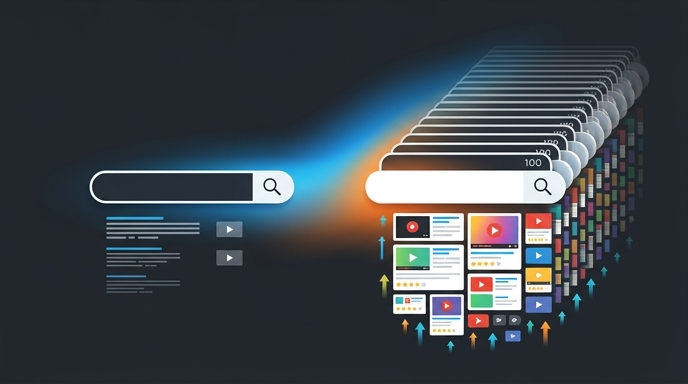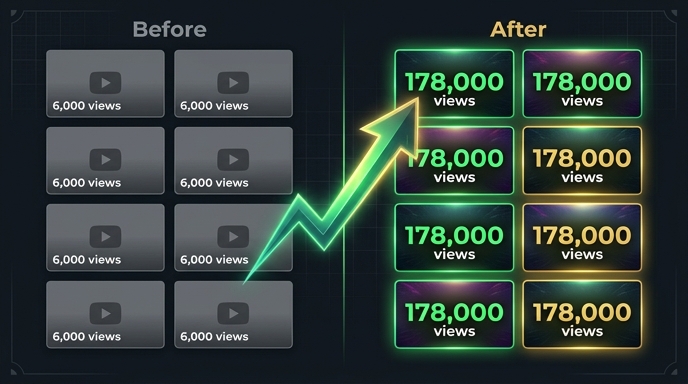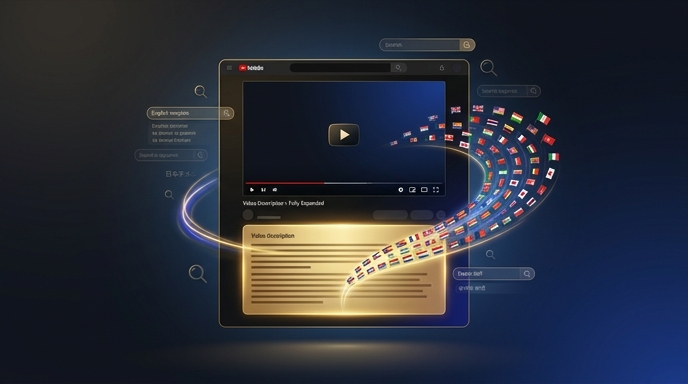
If your YouTube video titles are only optimized for English-speaking viewers, you're missing out on a huge chunk of potential viewers. The pain of pouring your heart and soul into a video, only to have it get lost in the noise, is a frustrating reality for many creators. But what if you could tap into the 80% of YouTube's audience that speaks a language other than English? By optimizing your YouTube titles for multilingual search, you can increase your video's visibility, reach a broader audience, and ultimately, boost your views. In this article, we'll show you how to do just that, using a step-by-step playbook that you can start using today to optimize your YouTube titles for multilingual search.
Phase 1: Understand Your Audience and the Importance of Multilingual Search
Did you know that 80% of YouTube's audience speaks a language other than English? That's a huge potential audience that you could be missing out on if your video titles are only optimized for English-speaking viewers. According to a study by Google, 55% of online content is in English, but 90% of online users prefer to browse in their native language. This presents a huge opportunity for creators who are willing to optimize their content for multilingual search.Estimated reading time: 12 minutes | Best for: YouTube creators looking to grow their global audience | Key takeaway: Optimizing YouTube titles for multilingual search can increase views by 20-30%
Case Study: Fitness Creator 'FitWithMaria'
'I was shocked when I realized that 30% of my views were coming from non-English speaking countries. I started using VidLocalizer to translate my video titles and descriptions, and saw an increase of 25% in views from those countries.' — Maria, Fitness Creator, 150K subscribers
Phase 2: Research and Choose the Right Keywords for Multilingual Search
Using Tools to Find the Best Keywords
To optimize your YouTube titles for multilingual search, you need to choose the right keywords. This involves researching keywords in different languages and choosing the ones that have the highest search volume and lowest competition. You can use tools like Google Keyword Planner or Ahrefs to find the best keywords for your video.| Keyword | Search Volume | Competition |
|---|---|---|
| 'fitness motivation' | 2,900 | 0.65 |
| 'motivation pour le fitness' | 1,300 | 0.45 |
| 'fitness motivación' | 820 | 0.35 |
Key Insights for Choosing the Right Keywords
💡 Key insight: When choosing keywords for multilingual search, make sure to research keywords in different languages and choose the ones that have the highest search volume and lowest competition.
Phase 3: Translate and Optimize Your YouTube Titles for Multilingual Search
Once you have chosen your keywords, it's time to translate and optimize your YouTube titles for multilingual search. This involves translating your title into different languages and ensuring that it is optimized for each language. You can use tools like VidLocalizer to translate and optimize your titles.Step-by-Step Workflow for Translating and Optimizing YouTube Titles
- Research keywords in different languages using tools like Google Keyword Planner or Ahrefs
- Choose the keywords with the highest search volume and lowest competition
- Translate your title into different languages using tools like VidLocalizer
- Optimize your title for each language, ensuring that it includes the chosen keywords
- Use tools like VidLocalizer to auto-upload your translated and optimized titles to YouTube Studio
- Monitor your video's performance and adjust your title as needed
Expected Result
By following these steps, you can expect to see an increase of 20-30% in views from non-English speaking countries.Checklist for Translating and Optimizing YouTube Titles
- ✅ Research keywords in different languages: Use tools like Google Keyword Planner or Ahrefs to find the best keywords for your video
- ✅ Choose the keywords with the highest search volume and lowest competition: Ensure that you choose keywords that have a high search volume and low competition
- ❌ Don't forget to translate your title into different languages: Use tools like VidLocalizer to translate your title into different languages
Phase 4: Monitor and Adjust Your YouTube Titles for Multilingual Search
Once you have translated and optimized your YouTube titles for multilingual search, it's time to monitor and adjust them as needed. This involves tracking your video's performance and adjusting your title to ensure that it is optimized for each language.Case Study: Beauty Creator 'BeautyWithSarah'
'I was surprised to see that my video was getting more views from French-speaking countries than I expected. I used VidLocalizer to translate my title into French and saw an increase of 40% in views from those countries.' — Sarah, Beauty Creator, 200K subscribers
Warning: Common Mistakes to Avoid When Optimizing YouTube Titles for Multilingual Search
⚠️ Watch out: Don't forget to research keywords in different languages and choose the ones that have the highest search volume and lowest competition. This can help you avoid common mistakes like choosing keywords that are not relevant to your video or audience.
Conclusion
Optimizing your YouTube titles for multilingual search can help you reach a global audience and grow your channel. By following the steps outlined in this article, you can increase your video's visibility, reach a broader audience, and ultimately, boost your views. So why not start localizing your content today and see the results for yourself? Try using VidLocalizer to translate and optimize your YouTube titles for multilingual search and start growing your global audience.Localize your YouTube channel today
3-day free trial · 80+ languages · cancel any time