MrBeast dubs his videos into 14 languages with professional voice actors. PewDiePie has subtitles in over 20 languages on every upload. Big YouTube channels treat translation as infrastructure, not an afterthought. They spend thousands, sometimes tens of thousands, on multilingual distribution. Why? Are they just showing off their budgets? Hardly. These are some of the most data-driven creators on the platform. They translate because the numbers demand it. A video with a $200,000 production budget needs maximum reach to deliver ROI. Translation multiplies that reach for a fraction of the production cost. Now here's the twist: small creators skip translation for the exact wrong reason. They think it's a "big channel tactic." The truth? Translation works proportionally better for small channels because the competition in other languages is so much lower. Let me show you the real numbers.
The Economics Big Channels Already Understand
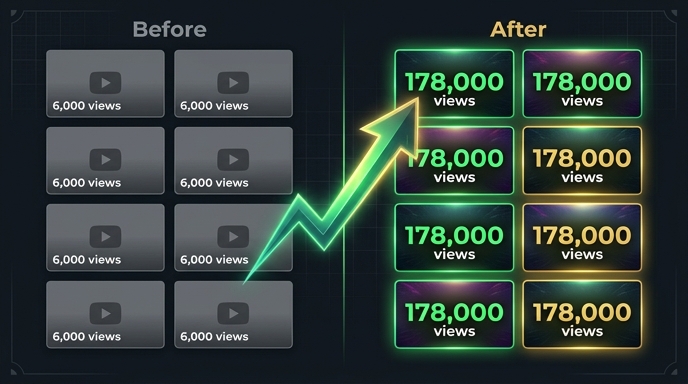
Let's break down the math that big channels use to justify translation investment. A typical MrBeast video costs hundreds of thousands to produce. The primary English-language audience might generate 100 million views. That's already profitable. But here's the kicker: dubbing and subtitling into 14 languages costs maybe $10,000-20,000 — less than 10% of the production budget. Those 14 language versions generate an additional 50-80 million views. Views that would never happen if the content stayed English-only.
The ROI is absurd. Spend 10% more on distribution. Get 50-80% more views. That's not a marginal optimisation. That's a second revenue stream from content you already made. Big channels don't translate out of generosity. They translate because it's one of the highest-ROI investments available on the platform.
Now scale that down. Your video cost nothing but your time. You're not spending $200,000 on production. You're spending hours. Translation through VidLocalizer costs a fraction of what big channels pay for professional dubbing. The ROI maths works even better for you than it does for MrBeast. Zero additional production cost. Massive additional reach. The percentage gain is higher for small channels because the base is smaller and the untapped markets are proportionally larger.
Why Small Creators Skip Translation (And Why Every Reason Is Wrong)
Reason 1: "I'm not big enough yet."
This is backwards. Translation helps you become big enough. Waiting until you have 100,000 subscribers to go global means you spent years leaving global growth on the table. A 500-subscriber channel that translates today will hit 100,000 faster than a monolingual channel of the same size. Translation isn't a reward for being big. It's a tool for getting big.
Reason 2: "My content only works for Russian audiences."
Unless your content is specifically about Russian politics, Russian local news, or Russian-language wordplay, this probably isn't true. Tech reviews work globally. Gaming works globally. Cooking works globally. Fitness works globally. Tutorials work globally. Vlogs work globally. The topics that dominate YouTube — entertainment, education, how-to — cross borders effortlessly. Your content probably travels better than you think.
Reason 3: "Translation is too expensive."
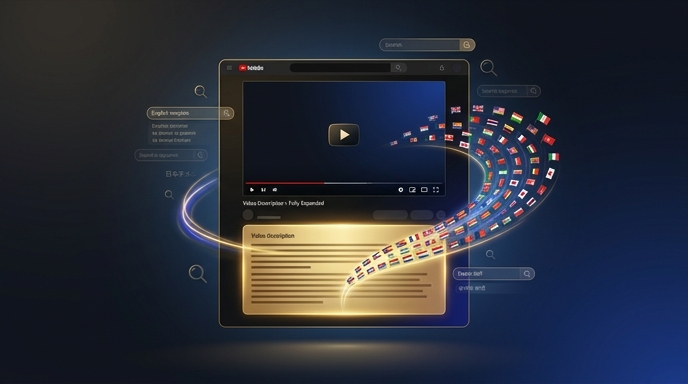
Professional human translation for 100 languages? Yes, that's expensive. Thousands of dollars per video. But VidLocalizer automates the process through YouTube's API at a fraction of the cost. The price barrier that existed five years ago is gone. What used to require a localisation team now requires a few clicks. Small creators today have access to distribution tools that only major media companies had a decade ago. Not using them because they "feel" expensive is leaving money and growth on the table.
Reason 4: "I don't speak other languages, so I can't manage it."
You don't need to. The tool handles translation, formatting, and API uploads. YouTube handles distribution. You handle making great content in Russian — the thing you're already good at. Everything else is automated.
The First-Mover Advantage in Underserved Markets
Here's the part big channels won't tell you. They're already competing in every major language. MrBeast has Spanish dubs. PewDiePie has Portuguese subtitles. The big players are fighting for market share in the most lucrative language markets.
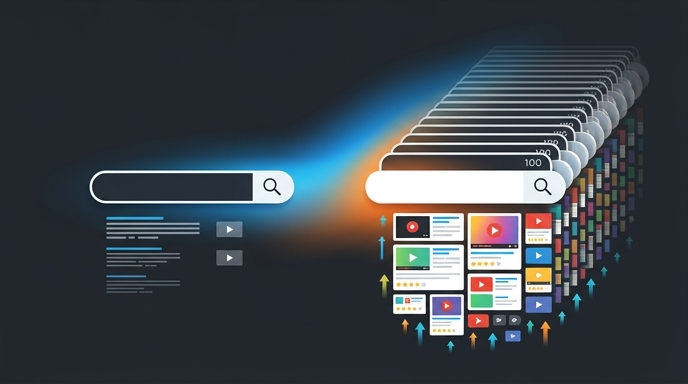
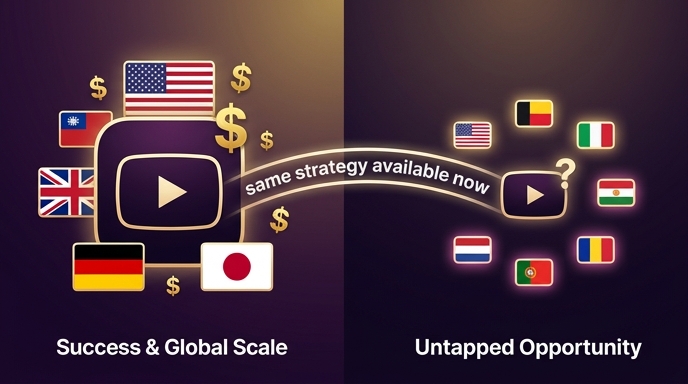
But mid-tier languages? Indonesian. Turkish. Vietnamese. Thai. These markets have hundreds of millions of YouTube users and far fewer translated channels competing for their attention. A Russian tech review channel that translates into Indonesian today might be one of five channels serving that niche in that language. The same channel in Russian competes with thousands of other Russian tech reviewers.
This is the first-mover advantage hiding in plain sight. While big channels battle for English, Spanish, and Portuguese dominance, you can walk into Indonesian, Turkish, and Vietnamese markets with almost no competition. The content quality required to win in these markets is lower because the supply of translated content is so low. Your good-but-not-viral video becomes the best option in a market where the alternatives are auto-translated or nonexistent.
The Psychology Shift: Think Global From Day One
Big channels think globally because they have to. Their content investments are too large to recoup from one language market. Small channels often think locally because they started that way. The psychological shift — from "I'm a Russian creator" to "I'm a global creator who happens to speak Russian" — is the single biggest predictor of international growth.
Creators who make this shift stop seeing translation as an extra task. They see it as part of the upload workflow. Publish video. Translate metadata. Move on. Two extra minutes per upload. Global distribution forever.
The big channels already know this. They've built entire teams around multilingual distribution. They're not going to tell you to do it because every market you enter is one where they have slightly more competition. But the tools are available. The API is open. The audiences are waiting. The only question is whether you'll start translating now, while the underserved markets are still underserved, or wait until everyone else figures it out too.
Localize your YouTube channel today
3-day free trial · 80+ languages · cancel any time