Twelve months. Twenty articles. Countless case studies. Hundreds of creators experimenting with multilingual YouTube growth. And one overwhelming conclusion: translation is the highest-ROI growth lever available to YouTube creators in 2026. Not better thumbnails. Not trendier topics. Not algorithm hacks. Translation. Making your existing content visible to the 95% of YouTube users who don't speak your language. We've covered the strategy, the SEO, the tutorials, the case studies, and the analytics. Now it's time to put it all together. This is the complete playbook — everything we know about growing a YouTube channel globally through multilingual translation. The principles. The process. The numbers. The mistakes. The future. If you read one article about YouTube growth this year, make it this one.
Part 1: The Foundation — Why Translation Works
Before tactics, understand the principles. YouTube translation works for four fundamental reasons that won't change as the platform evolves.
The Math of Addressable Markets
YouTube has 2.7 billion monthly active users. Russian speakers represent roughly 150 million of them — about 5.5%. A Russian-only channel is invisible to the other 94.5% of YouTube users. Not hard to find. Not ranked low. Invisible. Translating your metadata into 100+ languages makes your content discoverable to over 4 billion potential viewers. That's not a growth hack. That's arithmetic.
The Search Engine Reality
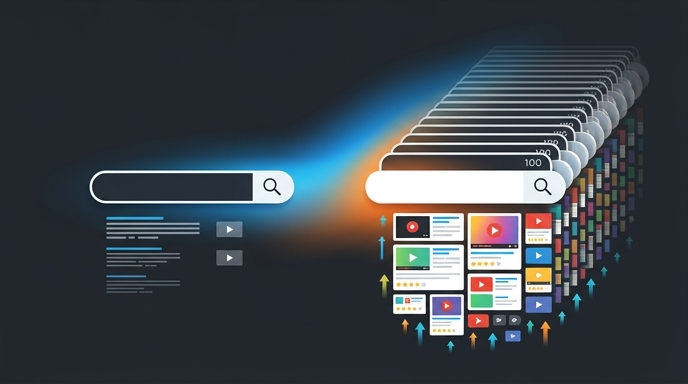
YouTube is 100+ separate search engines, each serving results in a different language. A video with only Russian metadata exists in exactly one of those search engines. Translating titles, descriptions, and subtitles enters your video into the other 99+. Each language is a new search market. Each new search market has its own queries, its own competition level, and its own audience. Translation multiplies your search footprint by the number of languages you translate into.
The Competition Gap
Russian YouTube is competitive. Most niches have hundreds of creators fighting for the same Russian-speaking audience. Those same niches in Portuguese, Indonesian, Turkish, or Vietnamese often have dramatically fewer competitors — sometimes zero. Translation lets you compete in markets where the supply of content is low and the demand is high. You're not fighting for a bigger slice of a crowded pie. You're claiming entire pies that nobody else is serving.
The Algorithm Flywheel
YouTube's recommendation algorithm rewards content with broad appeal. When your video performs well across multiple language markets, the algorithm gains confidence that your content is universally valuable. That confidence triggers broader recommendations. Broader recommendations bring more views. More views signal more value. The flywheel spins. Translation feeds the flywheel by opening new markets where your content can prove its value. Success in one language market improves your distribution in all language markets.
Part 2: The Process — How to Translate Your Channel
Step 1: Connect Your Channel to VidLocalizer
VidLocalizer connects to YouTube through the official API — the same infrastructure used by major media companies. The connection takes thirty seconds. You log in through Google's secure OAuth screen. VidLocalizer receives permission to manage video metadata and upload subtitles. It cannot delete videos, change channel settings, or access your Google account beyond YouTube metadata management. This is the foundation of the entire workflow.
Step 2: Select Your Videos
Start with evergreen, universal-topic videos. Tutorials, reviews, comparisons, how-to guides. Content that remains relevant regardless of when it was filmed. Content that appeals to audiences regardless of their cultural background. Skip Russia-specific topics, news, and trends. Pick 10-20 videos for your first batch. Prioritise high-retention videos — content that keeps viewers watching once they find it.
Step 3: Choose All 100+ Languages
Don't cherry-pick. Don't guess which markets will perform. Select all languages. YouTube has no penalty for multiple subtitle tracks. Each language is a separate opportunity. The algorithm will determine which markets respond. Your job is to make the content available. YouTube's job is to find the audience.
Step 4: Push Translations Through the API
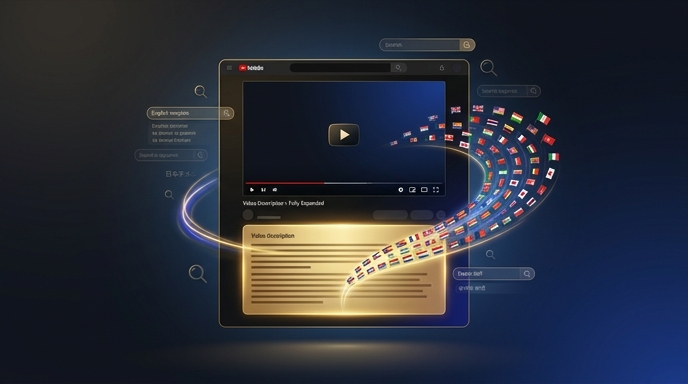
VidLocalizer generates translations for titles, descriptions, and subtitles in all selected languages. The translations are localised — natural phrasing that matches how real speakers search and speak. The tool pushes everything through YouTube's API simultaneously. Processing takes minutes. Your videos now exist in 100+ languages.
Step 5: Wait Three Weeks
The algorithm needs time to index new metadata, test audiences, and gather performance data. The first week will be quiet. The second week will show small movements. The third week is typically when breakouts begin. Set a calendar reminder. Don't check analytics daily. Patience is part of the process.
Step 6: Analyse and Optimise
After three weeks, open YouTube Studio. Study the Geography report. Identify breakout markets — countries with growing views and strong retention. Prioritise those languages for future uploads. Translate every new video immediately at upload. Build translation into your publishing workflow. Two extra minutes per video. Global distribution forever.
Part 3: The Numbers — What to Expect
Every channel is different. Your niche, content quality, and translation timing all affect results. But based on the creators we've tracked, here are the typical patterns:
The First Month
Minimal movement. Geography report shows small blips from new countries. Monthly views might even dip slightly as the algorithm adjusts to new metadata. This is normal. Most creators who quit, quit here. Don't quit.
The Second Month
First signals. One or two videos start showing growth in specific markets. Brazil, Indonesia, and Turkey are common early breakouts. Monthly views begin to climb — typically 20-40% above pre-translation baseline.
The Third Month
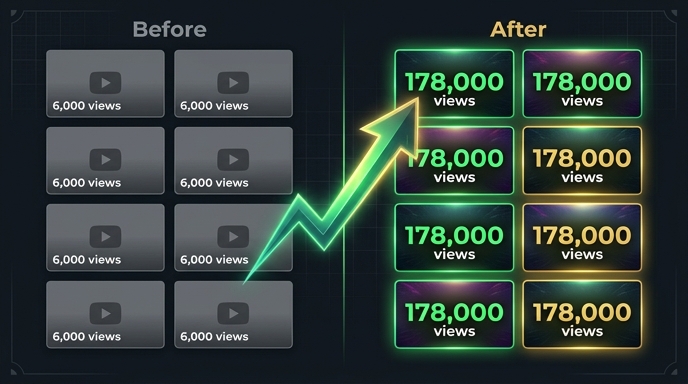
The inflection point. The best-translated videos find their audiences. Geography report shows 15-30 countries with meaningful view counts. Monthly views can double or triple from pre-translation baseline. Subscriber growth accelerates.
Months Four Through Six
Compounding growth. The algorithm has enough data to confidently recommend your content across multiple markets. New uploads translated immediately perform better from day one. Monthly views and revenue can reach 3-5x pre-translation levels. The flywheel is self-sustaining.
Months Six Through Twelve
Maturity. Growth rates stabilise but remain elevated above pre-translation levels. Your channel has established presence in multiple language markets. Breakout markets have loyal audiences. The translation habit is automatic. Your channel is no longer a Russian channel with translations. It's a global channel.
Part 4: The Mistakes — What to Avoid
Mistake 1: Translating Too Few Languages
Translating into five languages is better than one. But translating into 100 is exponentially better than five. The magic of this strategy is volume. One hundred languages mean one hundred chances for algorithmic breakthrough. Most markets won't deliver huge numbers. You only need two or three to catch fire. Don't limit your upside by guessing which markets will win.
Mistake 2: Translating the Wrong Videos
Not all content travels. Russia-specific topics won't find global audiences. News and trends are time-sensitive and won't benefit from long-term search traffic. Focus on evergreen, universal content. The video about fixing a specific Russian washing machine won't go global. The video about smartphone photography will.
Mistake 3: Skipping Subtitles
Translated titles and descriptions help discovery. Translated subtitles help watch time. Both matter. Videos with full subtitle tracks in the viewer's language consistently outperform videos with translated titles alone. Subtitles keep international viewers watching. Watch time signals quality. Quality signals drive recommendations. Don't skip subtitles.
Mistake 4: Quitting During the Quiet Period
The first two weeks after translation are quiet. Almost nothing happens. This is when most creators decide translation doesn't work and give up. The algorithm needs time. Set a three-week minimum before evaluating results. Better yet, commit to three months. Translation is a long-term growth strategy, not a quick hack.
Mistake 5: Not Translating New Uploads
Translating your back catalogue is step one. Translating every new upload immediately is step two. Creators who translate old videos but not new ones see a spike followed by a plateau. Creators who build translation into their upload workflow see sustained, compounding growth. The habit matters as much as the initial push.
Mistake 6: Ignoring the Data
The Geography report tells you exactly where your global audience lives. Creators who ignore this data miss opportunities to double down on winning markets. If Brazil is 25% of your views, Brazil deserves your attention. Study what Brazilian viewers watch. Make more of that content. Engage with Brazilian comments. Feed the markets that feed you.
Part 5: The Future — Where Multilingual YouTube Is Heading
Multilingual content is currently in the early adopter phase. Most creators haven't translated their channels. Most don't know it's possible. Most are still competing in one language while billions of potential viewers remain unreachable.
This won't last. Translation tools are becoming more accessible. Case studies are spreading. The first wave of "translate your channel" tutorials is being published. Within 12 to 24 months, translated metadata will likely be standard practice for growth-focused channels. The first-mover advantages — search monopoly in underserved languages, algorithm familiarity, audience loyalty — will diminish as more creators enter global markets.
The window is open now. The markets are underserved. The tools are ready. The strategy is proven. Everything you need to take your channel global exists today. The only question is whether you'll act while the advantage is still an advantage.
The Complete Playbook Checklist
- Connect your YouTube channel to VidLocalizer
- Select 10-20 evergreen, universal-topic videos with high retention
- Translate into all 100+ available languages — don't cherry-pick
- Push translations through YouTube's API — titles, descriptions, subtitles
- Wait three weeks — don't check analytics daily
- Analyse the Geography report — identify breakout markets
- Prioritise winning markets for future uploads
- Build translation into your upload workflow — every video, every language, every time
- Study what works in each market — make more of it
- Engage with international audiences — hearts, replies, community posts
- Review analytics monthly — adjust strategy based on data
- Stay consistent — global growth compounds over months and years
This is the playbook. The principles won't change. The process works. The numbers back it up. The mistakes are avoidable. The window is open. Your next million views are waiting in languages you haven't spoken yet. Go get them.
Localize your YouTube channel today
3-day free trial · 80+ languages · cancel any time