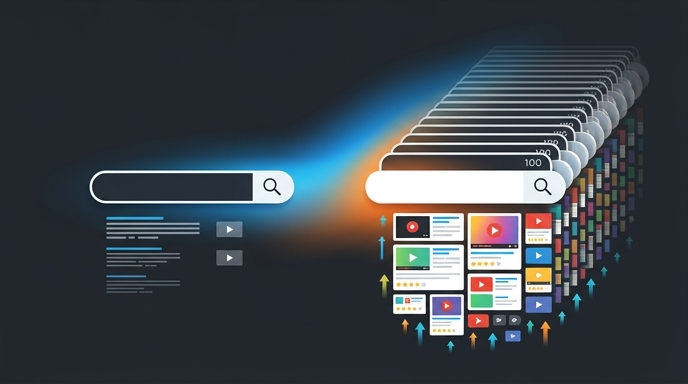
If you think the secret to YouTube success lies in speaking English, think again - the platform's global user base is a goldmine waiting to be tapped. But with so many creators competing for attention, it's easy to get lost in the noise. The real challenge lies in conducting effective keyword research that resonates with your target audience, no matter where they're from. Many creators struggle to find the right balance between relevance and reach, leading to stagnant view counts and unfulfilled monetization potential. This article will guide you through the process of optimizing your YouTube keyword research to reach a global audience, leveraging tools like VidLocalizer to streamline your workflow. By the end of this article, you'll be equipped with the knowledge to boost your video's visibility, increase engagement, and ultimately,your earnings.
Introduction to YouTube Keyword Research
Estimated reading time: 12 minutes | Best for: YouTube creators | Key takeaway: Optimize your keyword research for a global audience
Understanding Your Target Audience
To create content that resonates with your target audience, you need to understand who they are, what they're interested in, and what language they speak. For example, let's say you're a beauty creator with 100K subscribers and you want to expand your reach to the Latin American market. You'll need to conduct keyword research in Spanish and Portuguese to identify relevant terms and phrases that your target audience is searching for.
Keyword Research Tools
There are many keyword research tools available, including Google Keyword Planner, Ahrefs, and SEMrush. These tools can help you identify relevant keywords, analyze competition, and track your video's performance. However, when it comes to multilingual channels, you'll need a tool that can translate and localize your keywords, such as VidLocalizer.
Conducting Keyword Research for Multilingual Channels
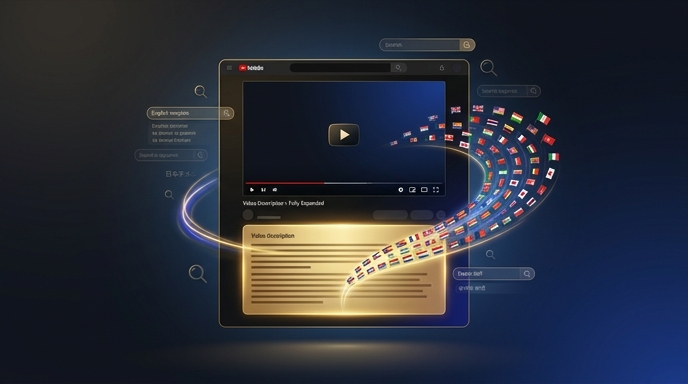
Conducting keyword research for multilingual channels requires a different approach than traditional keyword research. You'll need to consider the language, cultural nuances, and search behavior of your target audience. For example, a keyword that's popular in the US may not be relevant in other countries.
| Keyword | Language | Search Volume |
|---|---|---|
| Beauty tutorial | English | 10,000 |
| Tutoriales de belleza | Spanish | 5,000 |
| Tutoriais de beleza | Portuguese | 3,000 |
💡 Key insight: Translating your keywords is not enough; you need to consider the cultural nuances and search behavior of your target audience.
Optimizing Your Video Titles and Descriptions
Once you've conducted your keyword research, it's time to optimize your video titles and descriptions. This includes using relevant keywords, writing attention-grabbing titles, and including a clear call-to-action. For example, let's say you're a gaming creator with 500K subscribers and you want to optimize your video title for a global audience. You could use a title like 'Fortnite Gameplay - Top 5 Tips for Winning' and include relevant keywords in your description.
Using VidLocalizer to Streamline Your Workflow
VidLocalizer is a powerful tool that can help you streamline your workflow and optimize your video titles and descriptions for a global audience. With VidLocalizer, you can translate and localize your keywords, as well as design MrBeast-style styled captions and auto-upload everything to YouTube Studio.
"VidLocalizer has been a game-changer for my channel. I can now reach a global audience and increase my earnings." — Laura Garcia, beauty creator, 200K subscribers
"I was struggling to optimize my video titles and descriptions for a multilingual audience. VidLocalizer has made it easy and efficient." — Mark Davis, gaming creator, 1M subscribers
Measuring and Tracking Your Performance
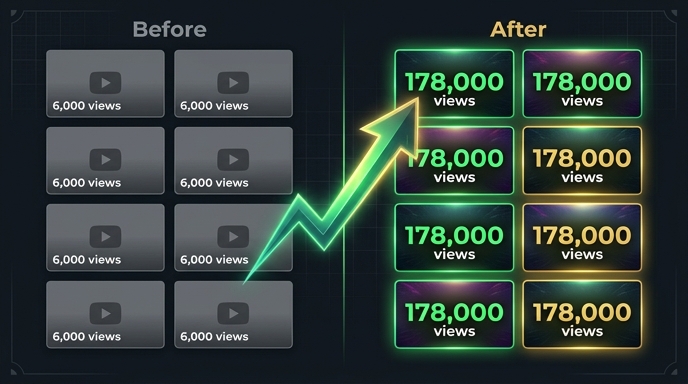
Measuring and tracking your performance is crucial to understanding what's working and what's not. You can use tools like YouTube Analytics to track your video's performance, including views, engagement, and earnings. For example, let's say you've optimized your video title and description for a global audience and you've seen a 25% increase in views and a 15% increase in engagement.
- Track your video's performance using YouTube Analytics
- Analyze your data to identify areas for improvement
- Adjust your keyword research and optimization strategy accordingly
- Monitor your performance and adjust your strategy as needed
- ✅ Use relevant keywords: Use keywords that are relevant to your content and target audience
- ✅ Optimize your video titles and descriptions: Use attention-grabbing titles and include clear calls-to-action
- ❌ Don't translate keywords literally: Consider the cultural nuances and search behavior of your target audience
⚠️ Watch out: Don't over-optimize your video titles and descriptions; it can lead to penalties from YouTube.
Conclusion
Optimizing your YouTube keyword research for a multilingual audience can be a challenging task, but with the right tools and strategies, you can increase your reach and earnings. By following the steps outlined in this article and using tools like VidLocalizer, you can streamline your workflow and optimize your video titles and descriptions for a global audience. So, start localizing your content today and watch your channel grow. Try it on your next upload and see the difference for yourself.
Localize your YouTube channel today
3-day free trial · 80+ languages · cancel any time