Go to YouTube right now. Search for your niche — whatever it is. Gaming. Tech reviews. Cooking. Fitness. Tutorials. Open the top 20 channels. Now check their videos. Click the settings gear. Look at the subtitle options. Count how many channels offer subtitles in more than five languages. Then count how many have translated titles and descriptions. The number will be close to zero. Not because these creators don't want growth. Not because translation doesn't work. But because most creators operate on a delay. They need to see someone else succeed before they try something new. They wait for the case study. They wait for the proof. They wait until the strategy is so obvious that everyone's doing it. That waiting is your competitive advantage. While your competitors debate whether multilingual content is worth the effort, you can walk into their future markets and claim them first. But the window is closing. Here's why — and how to act before it shuts.
The Adoption Curve: Why Most Creators Are Late
Every major YouTube strategy follows the same adoption curve. First, a few innovators try something new. Most fail, but some succeed spectacularly. Then early adopters notice the successes and jump in. Then the early majority follows. Then the late majority. Then the laggards. By the time the majority adopts a strategy, the advantage has diminished. The easy wins are gone. The uncontested markets are contested. The first movers have already built their moats.
We saw this with thumbnail design. Ten years ago, custom thumbnails were optional. Creators who adopted them early stood out dramatically. Today, every serious creator uses custom thumbnails. The advantage hasn't disappeared, but it's table stakes — you need good thumbnails just to compete, not to win.
We saw this with end screens and cards. Early adopters squeezed extra watch time and clicks from every video. Today, end screens are standard. No competitive advantage remains — they're expected.
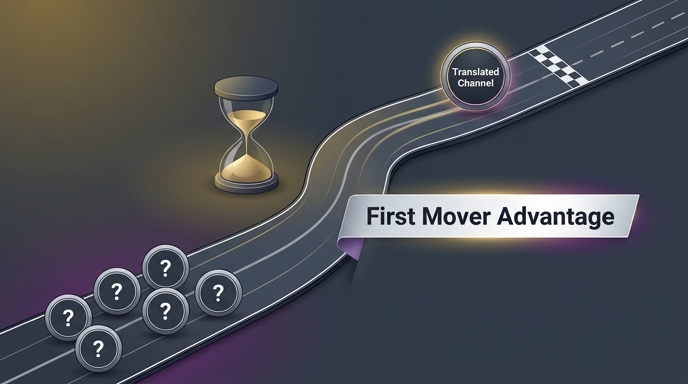
Multilingual content is currently in the early adopter phase. A handful of creators have figured it out. A slightly larger group has heard about it. The vast majority — your competitors — haven't even considered it. They're still optimising Russian titles and wondering why their growth ceiling feels so solid. This is the window. This is when the advantage is largest. A year from now, multilingual content will be more common. Two years from now, it might be standard. Five years from now, creators who don't translate will be as rare as creators without custom thumbnails. The question isn't whether translation will become mainstream. It's whether you'll capture the advantage while it's still an advantage.
What First-Mover Advantage Looks Like in Practice
First-mover advantage in multilingual YouTube isn't theoretical. It shows up in three concrete ways:
1. Search Monopoly in Underserved Languages
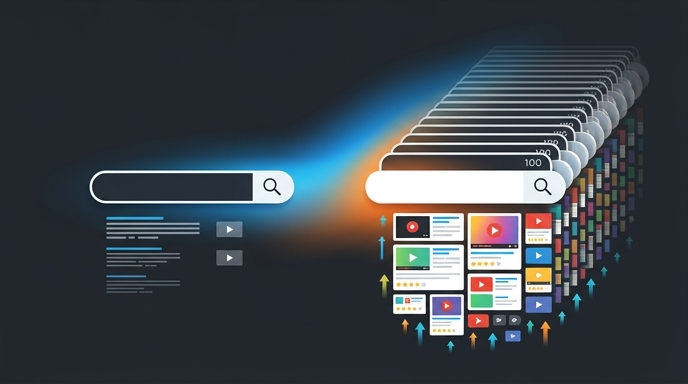
When you're the first creator in your niche to offer Portuguese metadata, you don't compete for Portuguese search rankings. You own them. Every Portuguese speaker searching for your topic finds you — because there's often no one else to find. This isn't better SEO. It's monopoly SEO. The first translated video captures the search traffic. The first 50 translated videos capture the market.
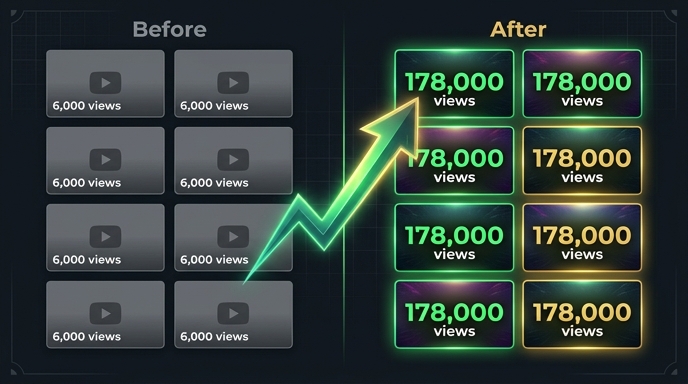
A Russian tech reviewer I tracked translated 40 smartphone reviews into 100+ languages. In the Russian market, they competed against hundreds of other tech channels. In Portuguese, they competed against maybe five. In Turkish, maybe three. In Vietnamese, they were often the only result. Their search rankings in those languages weren't earned through optimisation. They were earned through being first.
2. Algorithm Familiarity
YouTube's algorithm learns which channels serve which audiences. When your channel serves Portuguese-speaking viewers well, the algorithm builds an association: this channel equals good content for Portuguese speakers. That association strengthens over time. Your new uploads get tested more aggressively in that market. Your recommendations appear more frequently. Your channel becomes the default option for Portuguese speakers in your niche.
This association is harder to build when five other channels are also serving Portuguese-speaking viewers. The algorithm splits its attention. The first mover gets the strongest association. Latecomers have to work harder to prove they deserve the same algorithmic trust.
3. Audience Loyalty in Uncontested Markets
Viewers in underserved language markets are hungry for content. When they find a channel that serves their language — even through subtitles — they stick around. They subscribe. They comment. They share. They become loyal fans because they have fewer alternatives. The first creator to serve a Vietnamese gaming audience with translated content becomes that audience's default channel. Latecomers have to convince those viewers to switch. Switching is hard. Loyalty is sticky.
Why Your Competitors Haven't Moved Yet
Understanding your competitors' inaction helps you predict how long your window will last. Most creators haven't translated their channels for four reasons:
1. They Don't Know It's Possible
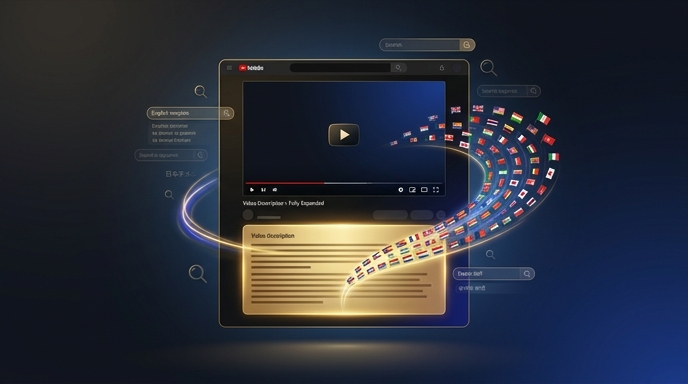
Many creators still think translation requires hiring human translators for each language. They've done the mental math — 100 languages times $10 per translation equals $1,000 per video. They've concluded it's impossible for small channels. They don't know tools like VidLocalizer exist. They don't know the YouTube API supports bulk translation. This knowledge gap is your advantage. It won't last forever.
2. They're Focused on Other Strategies
Most creators are optimising what they already understand. Better thumbnails. Better hooks. Better editing. These are fine strategies, but they have diminishing returns in a saturated language market. A creator spending 10 hours improving a thumbnail for a 2% CTR lift is missing the 100x audience multiplier sitting in translation. But optimisation feels productive. Translation feels unfamiliar. Familiar wins until unfamiliar becomes obvious.
3. They're Waiting for Social Proof
"If translation works so well, why aren't more people doing it?" This is the most common objection — and the most self-defeating. Creators wait for other creators to succeed before trying something. But by the time enough people have succeeded to provide social proof, the advantage is shrinking. The first movers already own the search rankings, the algorithm associations, and the audience loyalty. Latecomers are playing catch-up.
4. They Think It's Cheating or Inauthentic
Some creators have a philosophical objection to translated content. They feel it's inauthentic to serve viewers in languages they don't speak. They worry about comment sections they can't moderate. These concerns are understandable but misguided. Viewers don't care whether you speak their language. They care whether your content is valuable. A Portuguese-speaking gamer who finds your Minecraft tutorial helpful doesn't feel tricked because you don't speak Portuguese. They feel grateful the content was accessible. Authenticity matters. Accessibility matters more.
How Long the Window Will Last
No one can predict exactly when multilingual content will become mainstream. But we can look at the adoption curves of similar YouTube strategies for clues. Custom thumbnails took about three years to go from early adopter to table stakes. End screens took about two years. YouTube Shorts as a growth strategy took about 18 months before every channel had a Shorts tab.
Multilingual content will probably follow a similar timeline. The tools are already available. The early case studies are circulating. The first wave of "how to translate your YouTube channel" tutorials is being published. My estimate: 12 to 24 months before translation is standard practice for growth-focused channels. After that, translated metadata will be like custom thumbnails — necessary to compete, not sufficient to win.
The window is open now. The markets are underserved. The competition is absent. The first-mover advantages — search monopoly, algorithm association, audience loyalty — are available to anyone who moves first. Your competitors are still debating whether translation is worth it. While they debate, you can act. The best time to translate your channel was a year ago. The second-best time is today.
Localize your YouTube channel today
3-day free trial · 80+ languages · cancel any time