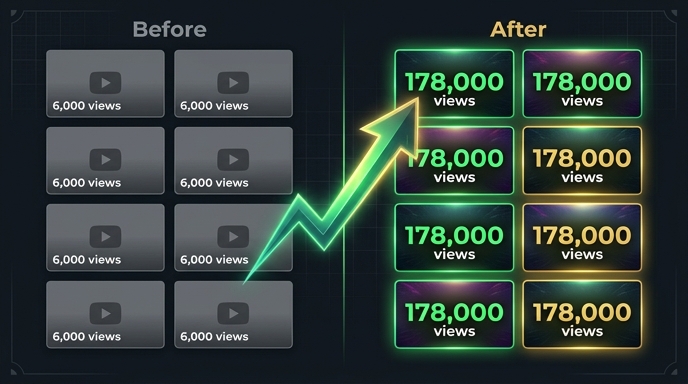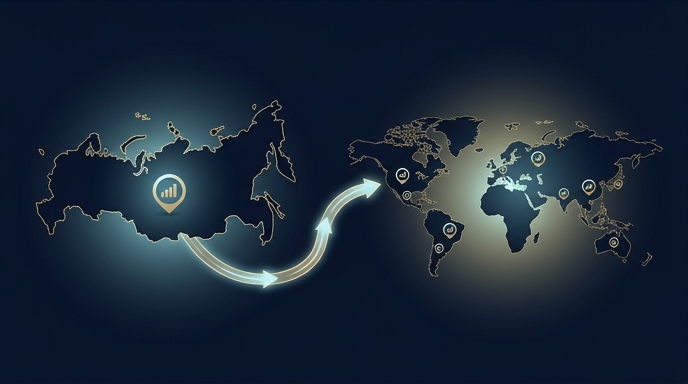
You've done the hard part. You've built a channel from zero. You've found your voice, your niche, your audience. You upload consistently. You engage with comments. You've created something that matters to people. But the ceiling is real. Every Russian-speaking creator eventually hits it — the point where you've reached most of the addressable audience in your language. Growth slows. Views plateau. The algorithm feels like it's working against you. It's not. It's just running out of Russian speakers to show your content to. The solution isn't reinventing your channel. It's removing the language barrier that's been holding it back. This roadmap will take you from a local Russian channel to a global presence in clear, actionable steps. No jargon. No empty motivation. Just a path that works.
Phase 1: Audit Your Current Position
Before going global, understand where you stand. Open YouTube Studio. Go to Analytics. Click the Geography tab. What percentage of your views come from Russia, Belarus, Ukraine, and Kazakhstan? If it's above 85%, you're running a regional channel — regardless of your subscriber count or view numbers. That's not a criticism. It's a starting point.
Next, identify your global-ready content. Sort your videos by watch time. Look for topics with universal appeal. A tutorial on fixing a specific Russian washing machine model won't travel well. A tutorial on smartphone photography techniques will. A review of a Russia-only product won't translate globally. A review of a Samsung phone will. Make a list of your evergreen, universal-topic videos. These are your global launch vehicles.
Finally, check your current subtitle situation. Do any of your videos have non-Russian subtitles? Probably not. This is about to change dramatically.
Phase 2: The Translation Launch
This is the technical core of going global. You'll translate your universal-topic videos into 100+ languages using VidLocalizer. Here's the exact sequence.
Start with your top 10 universal videos. Not your most-viewed necessarily — your highest retention universal videos. Viewers who find these stick around. That's the signal the algorithm needs when testing new markets. Connect your YouTube channel to VidLocalizer. Select the 10 videos. Select all 100+ languages. Push the translations through YouTube's API.
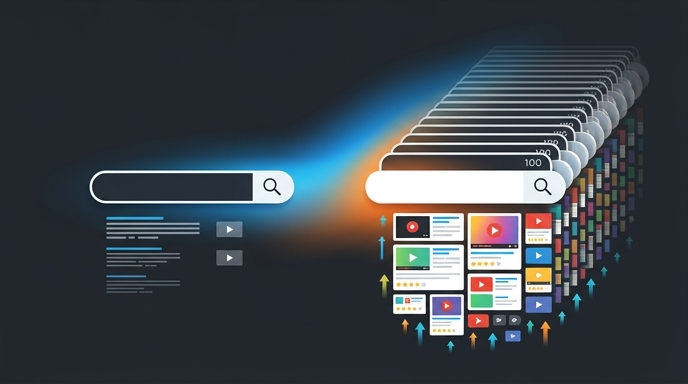
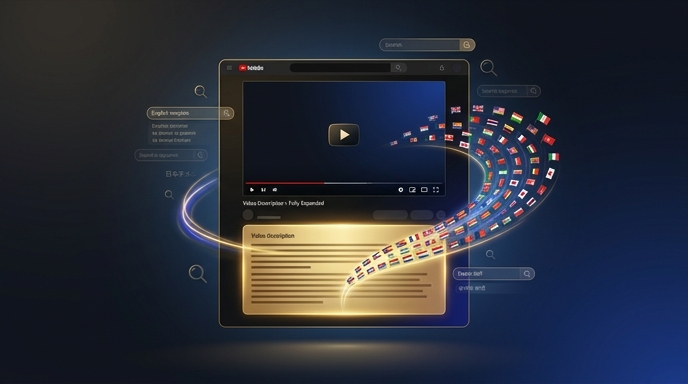
What happens technically: YouTube receives properly formatted translated titles, descriptions, and subtitle tracks for each video in each language. These aren't auto-translations or UI overlays. They're native metadata that YouTube indexes for search and recommendations. Your videos now exist in 100+ language markets. The launch takes under an hour.
Phase 3: The Waiting Period
This phase is psychologically difficult but operationally simple. Wait three weeks. Don't check analytics daily. Don't panic when nothing happens in the first few days. The algorithm needs time to index the new metadata, test your content against new language audiences, and gather performance data.
During the waiting period, keep uploading as normal. Your new videos can be Russian-only for now. The goal is to establish the global footprint with your existing library first, then expand your new uploads globally once you see which markets respond.
What's happening behind the scenes: YouTube's recommendation engine is showing your translated videos to small test audiences in Brazil, Indonesia, Turkey, Vietnam, and dozens of other countries. It's measuring click-through rates and watch time. It's comparing your content against local competitors. It's deciding whether your content deserves broader distribution in each market. Some markets will respond. Some won't. Both outcomes are useful data.
Phase 4: Analyse the Global Data
Three weeks after launch, open YouTube Studio. The Geography tab will look different. Countries that never appeared before will show view counts. Brazil. Indonesia. India. Turkey. Mexico. The Philippines. These aren't random anomalies. These are audiences that could finally find your content.
Dig into the data. Which countries are generating the most views? Which videos are performing best in which markets? Are certain topics resonating more in certain regions? The analytics will tell you exactly where your global audience lives and what they want.
One creator I worked with discovered their tech tutorials were massive in Indonesia but their cooking content didn't travel at all. Another found that their gaming videos exploded in Brazil while their vlogs stayed regional. The data tells you where to double down.
Phase 5: Optimise and Expand
Now you play offence. The markets that responded well become your priority. Translate every new upload into those top-performing languages on day one — not weeks later. VidLocalizer makes this a two-minute step in your upload workflow. Publish the video in Russian. Open VidLocalizer. Push translations. Done. Your content goes global at launch, not as an afterthought.
For the markets that didn't respond, don't worry. The translations are already live. They might perform later. YouTube's algorithm sometimes takes months to find the right audience in a new language. Patience is free. The subtitles and metadata are already uploaded and working.
Consider creating content with global appeal from the start. You don't need to change your niche or your style. But universal topics — tech reviews, tutorials, gaming, cooking, fitness — travel better than Russia-specific cultural content. If growth is the goal, lean into topics that cross borders naturally.
Phase 6: Build a Global Community
This is the phase most creators skip. They get global views but keep engaging only in Russian. When comments start appearing in Portuguese, Indonesian, and Turkish, respond to them. Use YouTube's comment translation feature or keep responses simple. A heart on a Portuguese comment signals to that viewer that you see them. That they're not second-class subscribers because they don't speak Russian.
Consider adding "Subtitles available in 100+ languages" to your video descriptions. It signals to international viewers that your content is accessible. It tells the algorithm that your video is globally relevant. Small signal, compounding effect.
Your channel isn't a Russian channel with some translated videos anymore. It's a global channel that happens to be based in Russia. The distinction matters for how you think about your content, your audience, and your growth potential.
The Long-Term Vision
Going global isn't a one-time growth hack. It's a permanent expansion of your channel's addressable market. Every new subscriber from Brazil watches your future uploads. Their watch time signals to YouTube that your content has cross-cultural appeal. The algorithm tests your new videos more broadly. Your growth compounds.
The Russian-language audience that supported you from the beginning remains your foundation. Nothing changes for them. But now, on top of that foundation, you're building audiences in 100+ countries — each one feeding the algorithm, each one adding views and subscribers, each one expanding your channel's footprint on the platform.
You've already done the hard part. You built a channel people want to watch. Now make sure the rest of the world can find it.
Localize your YouTube channel today
3-day free trial · 80+ languages · cancel any time