Everyone's looking for the growth hack. The secret sauce. The one weird trick. Meanwhile, the biggest growth lever on YouTube sits in plain sight, ignored by 99% of creators. It doesn't require better editing skills. It doesn't require viral luck. It doesn't even require making new content. It requires making your existing content visible to people who can't currently read your titles. Translation isn't a nice-to-have accessibility feature. It's a distribution explosion waiting to happen. One creator I worked with proved it. Eight old videos. Six thousand views total. Five minutes of work per video. Eight weeks later: 178,000 views. Let me show you exactly how it happened and how you can do it too.
The Starting Point: Good Content, Terrible Reach
The channel was a mid-sized tech review channel. Russian language. Five thousand subscribers. Solid production quality. Good thumbnails. Decent retention. But every video followed the same frustrating pattern: 300 to 800 views, then flatline. The content deserved better. The algorithm simply ran out of Russian-speaking viewers to test it on.
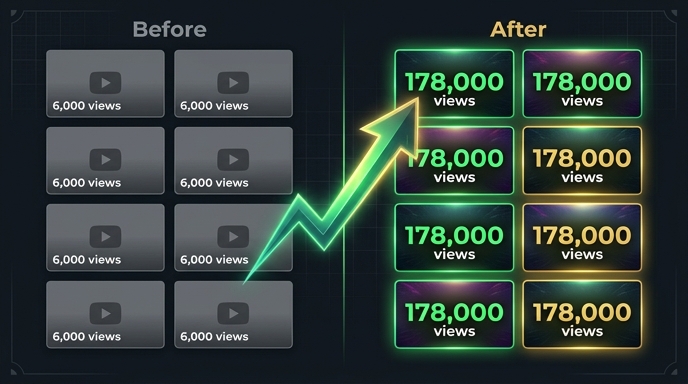
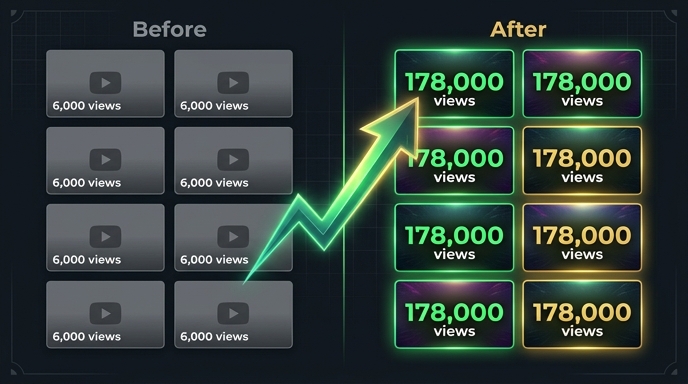
The creator had eight videos in their archive that they considered their best work. Total combined views across all eight: 6,000. Average views per video: 750. These weren't bad videos. They were invisible videos. The Russian-speaking audience for that specific tech niche was simply too small to generate algorithmic momentum. The content needed a bigger pond.
The Intervention: 5 Minutes Per Video
Here's exactly what the creator did. Step one: connect their YouTube channel to VidLocalizer. Step two: select all eight videos. Step three: select all 100+ available languages. Step four: push translations through the YouTube API. Total time invested: roughly five minutes per video. Forty minutes total. Less than one editing session.
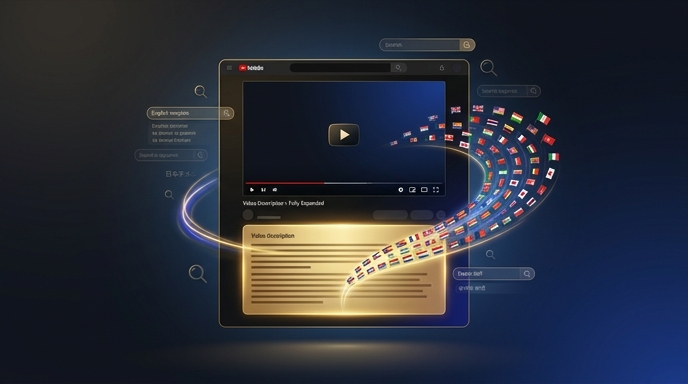
That's the part that shocks most creators. No filming. No scripting. No thumbnail redesign. No new uploads. Just metadata. Titles, descriptions, and subtitles translated and pushed directly to YouTube's servers. The videos stayed exactly where they were. The URLs didn't change. The view counts started from zero in every new language market.
The Results: Week by Week Breakdown
Week one: almost nothing. A few stray views from unexpected countries. The creator almost gave up. This is where most people quit. Don't. The algorithm needs time to index new metadata and test it against new audiences.
Week two: small movement. Views trickled in from Indonesia and Brazil. Nothing dramatic — maybe 50 extra views per video. But the geography report in YouTube Studio showed something the creator had never seen before: traffic from 12 new countries. The algorithm was testing.
Week three: the inflection point. One video — a budget laptop review — suddenly spiked. 3,000 views in a single day. Source: Brazilian YouTube recommendations. A Portuguese-speaking tech channel had covered a similar laptop, and YouTube's algorithm now connected the two videos because the translated metadata made them relevant to the same audience.
Week eight: the final tally. The eight videos had accumulated 178,000 views. The budget laptop review alone had 52,000 views. Top countries: Brazil, Indonesia, Turkey, Vietnam, and India. The Russian-language views also grew — up 40% — because the global signals fed back into the algorithm's confidence in the content. Multilingual success boosted monolingual performance too.
Why This Works: The Flywheel Effect
YouTube's recommendation algorithm has one core job: find videos people will watch and keep watching. When your video suddenly performs well in Brazil, the algorithm gains confidence that the content has broad appeal. Broad appeal triggers testing in more markets. More markets mean more views. More views mean more confidence. It's a flywheel.
Translation feeds that flywheel at every step. Each language is a new testing ground. If the video flops in Turkish, no problem — the algorithm moves on. But if it wins in Portuguese, that win compounds. The algorithm starts recommending it to more Portuguese speakers. Then to Spanish speakers. Then to anyone watching similar content, regardless of language. The flywheel spins itself once you give it enough languages to work with.
How to Replicate This on Your Channel
First, pick the right videos. Go to YouTube Studio and sort your content by "high retention, low views." These are your sleepers. Content good enough to keep people watching but invisible enough to never get algorithmic push. These videos have the most to gain from translation because the content quality is already proven.
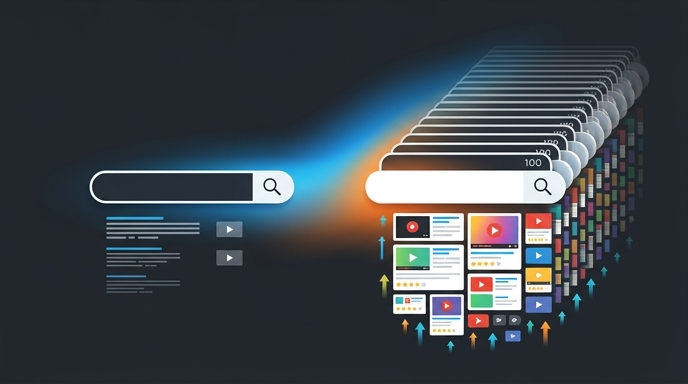
Second, commit to the full set of languages. Don't cherry-pick five or ten. The magic of this strategy is volume. One hundred languages mean one hundred chances for algorithmic breakthrough. Most markets won't deliver huge numbers. That's fine. You only need two or three markets to catch fire. The rest is algorithmic gravy.
Third, wait longer than feels comfortable. The first two weeks are quiet. That's normal. The algorithm is indexing, testing, and learning. Week three is where things typically break open. If you check analytics daily for the first week and see nothing, you'll quit. Don't check. Set a calendar reminder for day 21. Then open YouTube Studio and look at your geography report. I promise you'll see countries that weren't there before.
Five minutes per video. One hundred languages. Two to three weeks of patience. That's the entire growth hack. No secrets. No tricks. Just making your content visible to the billions of people who were always searching for it — they just couldn't read your titles until now.
Localize your YouTube channel today
3-day free trial · 80+ languages · cancel any time