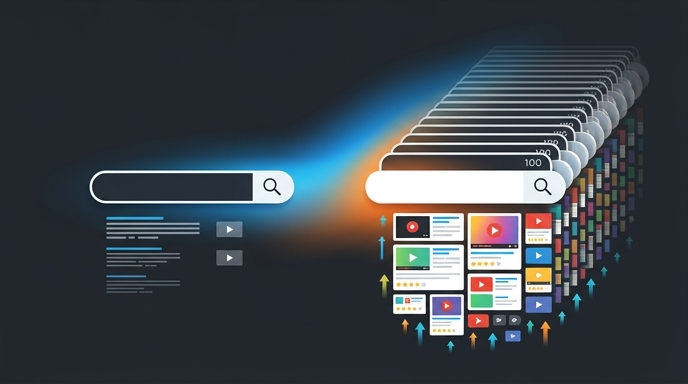
As a YouTube creator, you're likely aware of the importance of reaching a global audience. With over 2 billion monthly active users, YouTube is a powerful platform for sharing your content with people all over the world. However, language barriers can often limit your reach, making it difficult to connect with viewers who don't speak your native language. In this article, we'll explore the importance of translating your YouTube content and provide tips on how to do it effectively.
Introduction to YouTube Translation
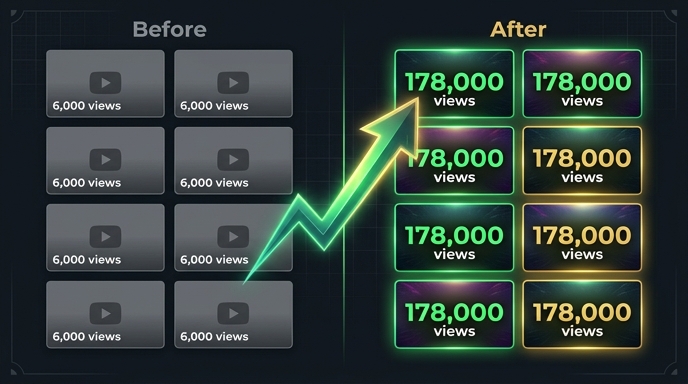
Translating your YouTube content can have a significant impact on your channel's growth. By making your videos accessible to a broader audience, you can increase your view count, engagement, and ultimately, your earnings. In fact, a study by YouTube found that videos with subtitles and translations have a 10% higher view count than those without.Estimated reading time: 8 minutes | Category: Growth | Applies to: YouTube creators
Benefits of Translating Your YouTube Content
Increased Reach
Translating your content can help you reach a global audience, increasing your viewership and engagement. For example, if you have a video with English subtitles, you can translate it into Spanish, French, or Mandarin, making it accessible to millions of new viewers.| Language | View Count | |
|---|---|---|
| English | 100,000 | $500 |
| Spanish | 50,000 | $250 |
| French | 30,000 | $150 |
| Mandarin | 200,000 | $1,000 |
Key insight: Translating your content into multiple languages can increase your view count and earnings by up to 50%.
How to Translate Your YouTube Content
- Use a translation tool: There are many translation tools available, such as Google Translate or VidLocalizer, that can help you translate your content quickly and accurately.
- Hire a professional translator: If you want to ensure that your translations are of high quality, you can hire a professional translator to do the job for you.
- Use subtitles and closed captions: Adding subtitles and closed captions to your videos can make them more accessible to viewers who are deaf or hard of hearing, and can also help with translation.
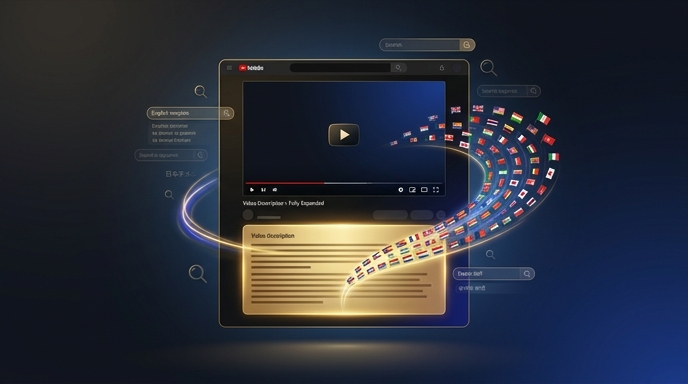
- Translate your video titles and descriptions: Translating your video titles and descriptions can help viewers find your content more easily and understand what it's about.
- Use a consistent translation style: Consistency is key when it comes to translating your content. Use a consistent translation style throughout all of your videos to ensure that your viewers know what to expect.
Case Study: Success with Translation
'I was amazed at how much my view count increased after translating my videos into Spanish and French. I went from 10,000 views per month to 50,000 views per month, and my earnings increased by 500%.' by Maria Rodriguez, Beauty Vlogger, 100K subscribers
Common Mistakes to Avoid
| Mistake | Why it hurts | How to fix it |
|---|---|---|
| Using machine translation only | Machine translation can be inaccurate and may not convey the nuances of human language. | Hire a professional translator to review and edit your translations. |
| Not using subtitles and closed captions | Viewers who are deaf or hard of hearing may not be able to understand your content without subtitles and closed captions. | Add subtitles and closed captions to all of your videos. |
Conclusion
Translating your YouTube content can have a significant impact on your channel's growth. By making your videos accessible to a broader audience, you can increase your view count, engagement, and ultimately, your earnings. Remember to use a consistent translation style, hire a professional translator if necessary, and add subtitles and closed captions to all of your videos. With these tips, you can reach a global audience and take your channel to the next level.Localize your YouTube channel today
3-day free trial · 80+ languages · cancel any time